
When you sit down in a quiet corner of a Melbourne club on a slow arvo, the first thing you notice about fire blaze pokies volatility is not the graphics or the soundtrack, but the rhythm of the paylines. As a slot mathematician who has spent years mapping reel strips to session behaviour, I treat volatility as the structural spine of any game: it tells you how often the machine breathes, how hard it pushes, and where the risk concentrates across a hundred spins. That same discipline is what keeps a title commercially durable once the novelty wears off, and it is why I judge fire blaze pokies volatility by the way it distributes wins rather than by how loud the bonus screen flashes.
Reading the Hit Frequency Behind the Reel Art
The art direction on fire blaze pokies volatility leans into warm ember tones and a clean, slightly formal interface that does not shout for attention. Navigation is straightforward, with the main menu sitting where you expect it and the balance, bet, and lines controls grouped without clutter. Language defaults to Australian English, the currency displays in dollars and cents, and the search bar inside the lobby pulls up titles by provider and theme without making you hunt through submenus. That kind of everyday usability matters because volatility only makes sense when you can read the game state quickly between spins.
From a design standpoint, fire blaze pokies volatility uses a medium-to-high hit structure with a bonus mechanic built around stacked wilds and a free-spin trigger that ramps the base multiplier as the feature progresses. The registration flow is short, mobile play mirrors the desktop layout without squeezing the paytable, and support responds through a live chat window that usually clears simple balance queries within a few minutes. The loyalty tier sits on a points-per-bet model rather than a flat cashback figure, which is worth keeping in mind when you are comparing session length against expected return. Thomas Campbell, Senior Market Analyst, Flinders Interactive Group, has noted that titles with a clear volatility ladder tend to hold player attention longer because the reward cadence is legible, not because they promise anything guaranteed. That is the kind of judgement call I make when I look at a new release: does the distribution tell a coherent story, or is it just noise dressed up as spectacle?
Player-Fit Scenarios Around Session Style and Bankroll
The first scenario is the casual player who wants a steady stream of small returns and a game that keeps the balance ticking without demanding a large starting bankroll. In that case, fire blaze pokies volatility rewards a lower line count and a measured bet size, because the base game is designed to deliver frequent enough touches to keep the screen alive while the bonus remains the real upside. The second scenario is the player who saves a session for a quiet weekend arvo and prefers a slower cadence with a clearer ceiling on variance. Here the same title behaves differently: you accept longer dry stretches in exchange for a bonus trigger that can stretch a run, and the art direction helps by keeping the screen readable rather than cluttered with flashing effects that obscure the paytable.
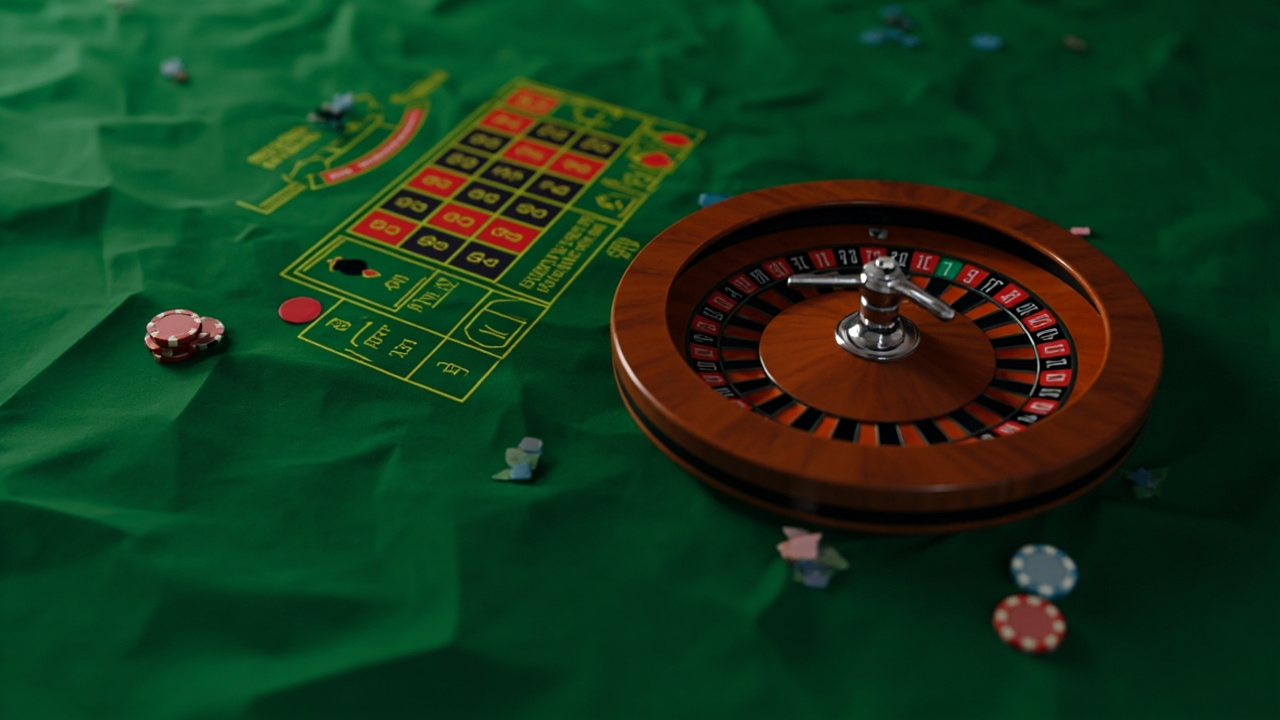
A third scenario worth considering is the player moving between a local pub pokies setup and an online lobby, because the two environments shape how volatility feels in practice. On the floor, the physical cadence of pressing a button and watching a mechanical-style display can make even a medium-volatility game feel more deliberate; online, the same maths lands faster and the balance updates more often, which changes how you size bets between sessions. Australian casinos typically offer both single-zero and double-zero roulette wheels, and that same attention to wheel structure is the kind of detail I look for in a pokies lobby: the game should tell you what it is, not hide the variance behind vague marketing. The French suits simplified production and spread worldwide, and you can see that same logic in a well-built paytable where the symbols are distinct enough to read at a glance. When I compare a title like fire blaze pokies volatility against that standard, I am checking whether the symbol hierarchy and the bonus trigger are honest about what they deliver, not whether the screen looks busy.
How Volatility Shapes Expectation Without Promising Outcomes
Volatility is not a promise of a win, and it is not a guarantee that a bonus will land on any given session. It is a description of how the wins are spread across the reel map and how often the feature window opens, which is why I never write about fire blaze pokies volatility as if it were a safety net. The practical value is that it helps you match the game to your own session plan: if you are playing for a fixed window of time, a medium-volatility structure usually gives you enough action to stay engaged without draining the balance in a single streak. If you are chasing the bonus screen specifically, the same structure asks you to accept more quiet spins between triggers, and the art direction should at least make those quiet spins legible rather than annoying.
I also look at the payment and currency handling as part of the same usability picture, because a game that displays dollars clearly and keeps the bet controls precise is easier to manage than one that obscures the numbers behind decorative flourishes. The registration and mobile experience should not add friction that distracts from the maths, and support should be able to answer a straightforward balance or bonus-rule question without making you re-explain the screen. None of that changes the underlying distribution, but it does change how villarrealintegrity.com comfortably you can play within your own limits. Where you compare timing against notes on local club forums, the same volatility profile can feel entirely different depending on whether you are on a weekday evening or a busy Saturday session, and that is a useful reminder that the machine is only one part of the environment. You can also cross-reference how other players talk about session length on family budget pages, because the way people plan their entertainment spending often says more about realistic play than any marketing copy does. If you want a more complete view of how these titles sit inside a broader lobby, you can always start from https://wheresthegoldpokies.net and sort the catalogue by provider and theme before you decide which volatility band suits your own session plan.
Quick Questions About Volatility and Session Play
How do I tell whether a pokies game suits a shorter session?
Look at the hit frequency and the bonus trigger rate together, because a game that pays often but keeps the feature rare will feel different from one that pays less often but opens the bonus more regularly. For a shorter session, I usually prefer a structure that keeps the base game readable and does not demand a large bankroll just to stay in the game. That way the session stays about the play itself rather than about chasing a single outcome.
Does the art and interface change how volatility feels?
It does, because a cluttered screen can make normal dry spells feel longer than they are, while a clean layout with a clear paytable helps you keep track of where you are between spins. The visuals do not alter the maths, but they do alter how comfortably you can read the game state, which matters when you are deciding whether to continue or to stop.
How should I think about bet size when volatility is medium to high?
I would start with a bet size that leaves enough room for the natural swings of the base game, rather than sizing up just because the bonus screen looks appealing. The point is to match the bet to the session you actually want, not to the highlight reel, and to keep the balance changes legible so you can judge the run on its own terms.
What volatility band do you usually prefer when you are picking a game for a quiet session, and do you find the same title feels different on a weekday compared with a busy weekend?